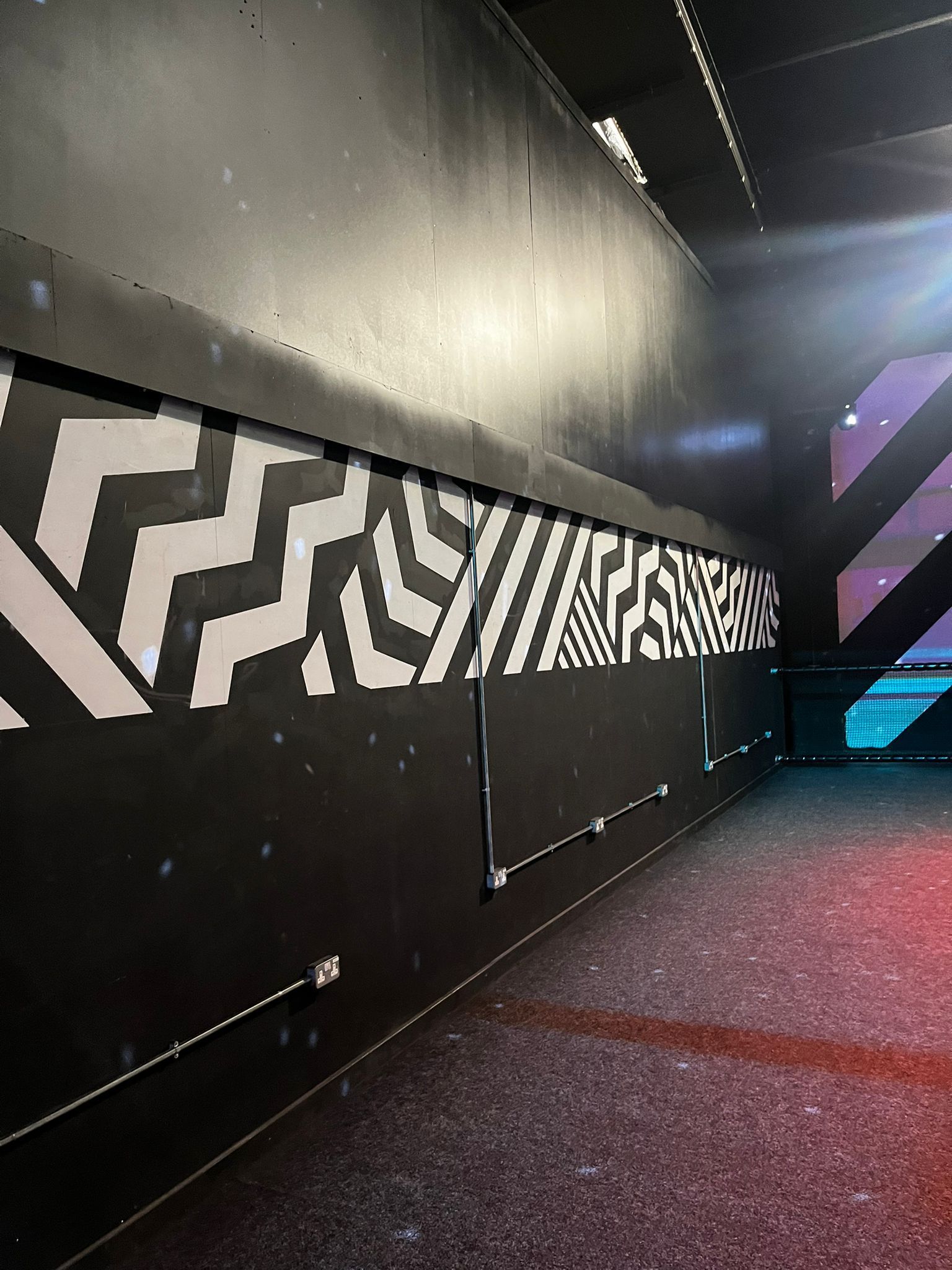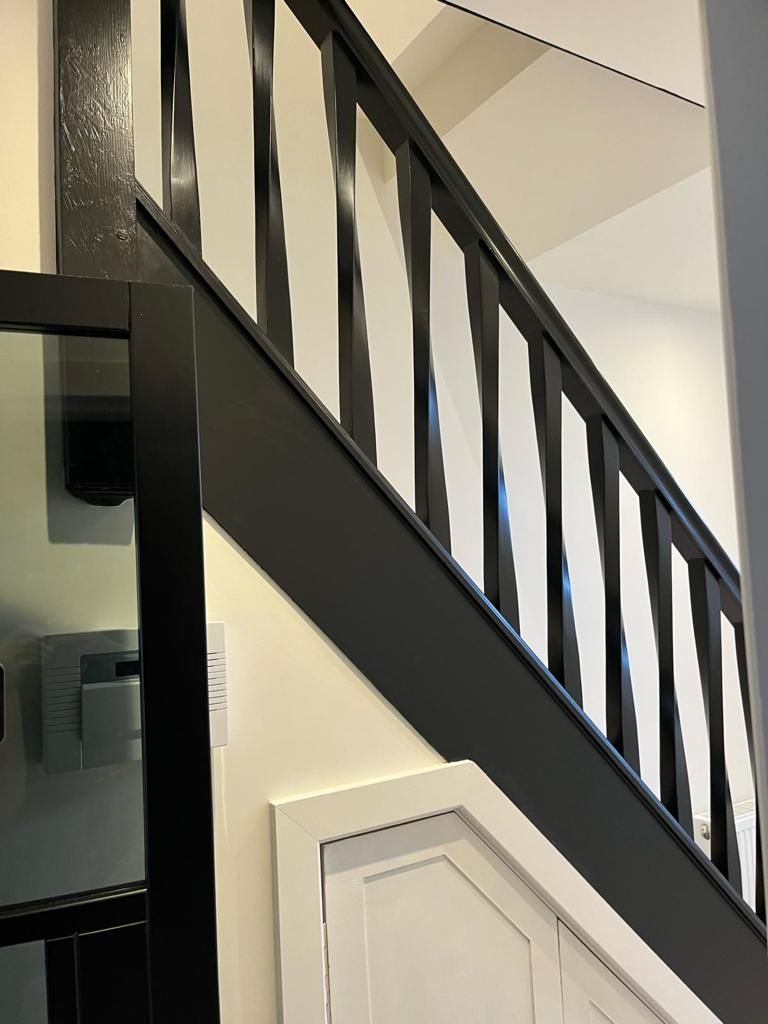
How We Approach a Commercial Painting and Decorating Project
Commercial decorating usually begins with a deadline. A restaurant may be reopening on Monday. A landlord has a new tenant moving into an office. A shop wants its refurbishment completed before a seasonal promotion. Sometimes the business remains open throughout the work, which introduces another challenge entirely.
That's why we don't approach commercial painting in exactly the same way as decorating an empty residential property. For us, the first stage isn't opening a tin of paint. It's understanding what needs to happen around the painting.
We start by looking at the premises properly
During the initial site inspection, we assess much more than the number of walls requiring decoration. We look at the condition of existing surfaces, access, furniture, floors, doors, frames, skirting boards and areas requiring additional protection. This is often where the real scope of the job becomes clear.
A wall can look reasonably sound from several metres away, for example, but closer inspection may reveal previous repairs, small cracks, flaking paint or areas where the existing coating has poor adhesion. Painting directly over these defects simply hides them temporarily. A professional painter and decorator in Sheffield needs to identify them before work begins.
Then we plan around the business
This is where commercial decorating differs significantly from many domestic projects. If we're working in an office, there may be employees who still need access to certain rooms. In a shop, customer areas may need to remain available. Restaurants can have particularly tight windows between services or scheduled closing periods.
We therefore plan the sequence of work around what is realistically possible. Sometimes it makes sense to complete the premises section by section. On other projects, completing everything during a planned closure is more practical. We never assume that painting can be carried out without affecting the business. Instead, we discuss access and operational requirements beforehand and organise the work accordingly.
Protecting the premises comes before decorating
Before surface preparation begins, we protect everything that isn't being painted. Floors, furniture and other relevant surfaces are covered appropriately, while masking is used where clean lines and separation between finishes are required. Commercial premises often contain expensive flooring, fittings or equipment, so this stage needs to be systematic rather than rushed. Once protection is in place, the actual preparation can begin.
Good preparation is where much of the work happens
Clients sometimes expect painting to account for almost the entire project. In reality, preparation can take a substantial amount of time.
Damaged areas may require filling. Cracks need assessing and repairing appropriately. Rough surfaces may require sanding, while previously coated areas sometimes need primer before new paint can be applied.
Woodwork brings its own requirements. Doors, frames and skirting boards need to be prepared carefully before undercoats and finishing products are applied. If preparation is rushed, even an expensive satin finish won't disguise the problem for long.
We've encountered commercial properties where several layers of paint had simply been applied over previous defects. By the time we're asked to redecorate, the only sensible approach is to deal properly with the underlying surface first. It takes longer initially but produces a considerably better result.
Applying the correct coating to each area
Once preparation is complete, painting begins according to the specification agreed for the premises. That might include emulsion finishes across walls and ceilings, more durable coatings in high-traffic areas and separate systems for woodwork or metalwork.
Depending on the project, application can involve traditional rollers and brushes or spray painting where the surfaces, environment and project requirements make it appropriate. Colour matching may also form part of the work, particularly for businesses that need to maintain an established brand identity. The objective is consistency. A freshly decorated commercial property should feel like one complete space rather than a collection of separately painted rooms.
Drying time cannot simply be ignored
Deadlines matter, but coatings still need sufficient time to dry and cure. Trying to rush subsequent coats or immediately putting a freshly painted area back into heavy use can compromise the finish.
This is one reason why scheduling matters so much in commercial painting in Sheffield. If we understand the client's operational requirements from the beginning, we can organise the work more intelligently rather than attempting to recover time at the expense of the finished result.
We inspect the work before calling the project finished
Once the main painting work has been completed, we don't simply remove the dust sheets and leave. The final stage is inspection. We look for areas requiring touch-ups, check edges and finishes and review the different decorated surfaces under normal lighting conditions.
Small imperfections can be surprisingly visible once furniture is returned and the premises are operating normally, so this final check matters. Only after those details have been addressed is the decorating work considered complete.
Commercial painting in Sheffield requires more than good brushwork
The technical painting itself is only one part of a successful commercial decorating project. Planning, protection, surface preparation, product selection, communication and scheduling all contribute to the finished result.
As painters and decorators in Sheffield, we understand that businesses need more than attractive walls. They need a decorating service organised around the practical realities of running commercial premises. Whether we're working on a restaurant, shop, office or another commercial property, our approach remains focused on careful preparation, appropriate materials and an organised working process. If you're considering commercial decorating in Sheffield, we can assess the premises, discuss the operational requirements and plan the work around both the finish you want and the way your business actually operates.
You might also like