What Types of Paint Are Best for Commercial Premises and Restaurants?
Choosing paint for a commercial property is quite different from picking a colour for a bedroom at home. In a restaurant, shop or busy office, walls and woodwork have to cope with constant contact, regular cleaning, moisture, knocks and considerably more daily wear. We often speak to business owners who have repainted relatively recently but are already seeing marks around doors, scuffed walls in corridors or areas where the finish has started to deteriorate. The paint itself is not always poor quality. Quite often, it simply wasn't the right product for that particular environment.
As painters and decorators in Sheffield, one of the first things we consider on a commercial project is how each area is actually used. The finish that works perfectly in a quiet office isn't necessarily what we'd recommend beside the tables of a busy restaurant.
Start with the way the premises are used
Before discussing colours, we look at traffic. How many people pass through the entrance each day? Are customers likely to touch the walls? How frequently will surfaces need cleaning? Is there moisture? Are there areas where staff regularly move furniture or equipment?
These questions help determine the most suitable paint system.A shop entrance, for example, usually needs something considerably more durable than a ceiling in a private office. Likewise, the walls alongside restaurant tables are likely to be wiped down far more frequently than those in a low-traffic storage room.This is where washable and scrubbable paints become particularly useful.
Restaurants need finishes that cope with real life
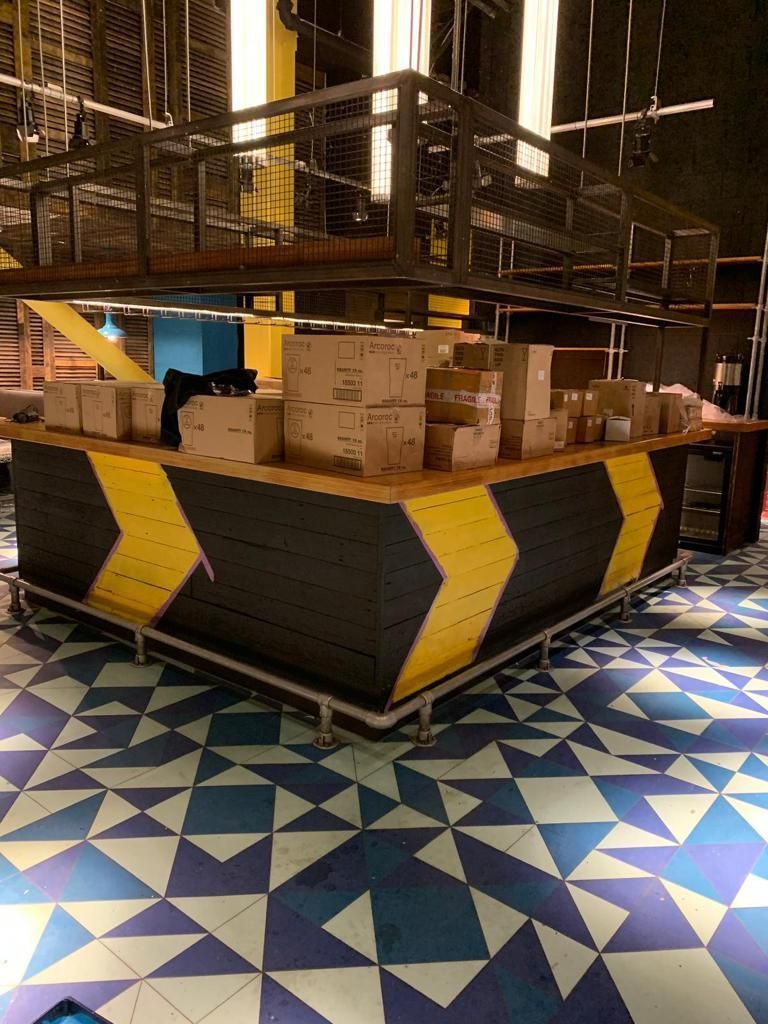
Restaurants are some of the most demanding commercial environments we decorate. There may be beautifully designed interiors, carefully selected lighting and expensive furniture, but the walls still have to survive customers, chairs being moved, cleaning routines and busy staff.
We've seen restaurant walls where a standard matt emulsion looked excellent immediately after decorating but quickly developed marks that couldn't be removed without affecting the finish. In customer-facing areas, a durable washable emulsion or an appropriate acrylic eggshell can make maintenance much easier. The exact product depends on the surface and desired appearance, but durability should always be part of the decision.
Different areas often require different paint
One common mistake is specifying one type of paint throughout an entire commercial property. It might be convenient, but it isn't always practical. A dining area has different requirements from a toilet. A kitchen environment differs from reception, while doors and skirting boards need a completely different system from plastered walls.
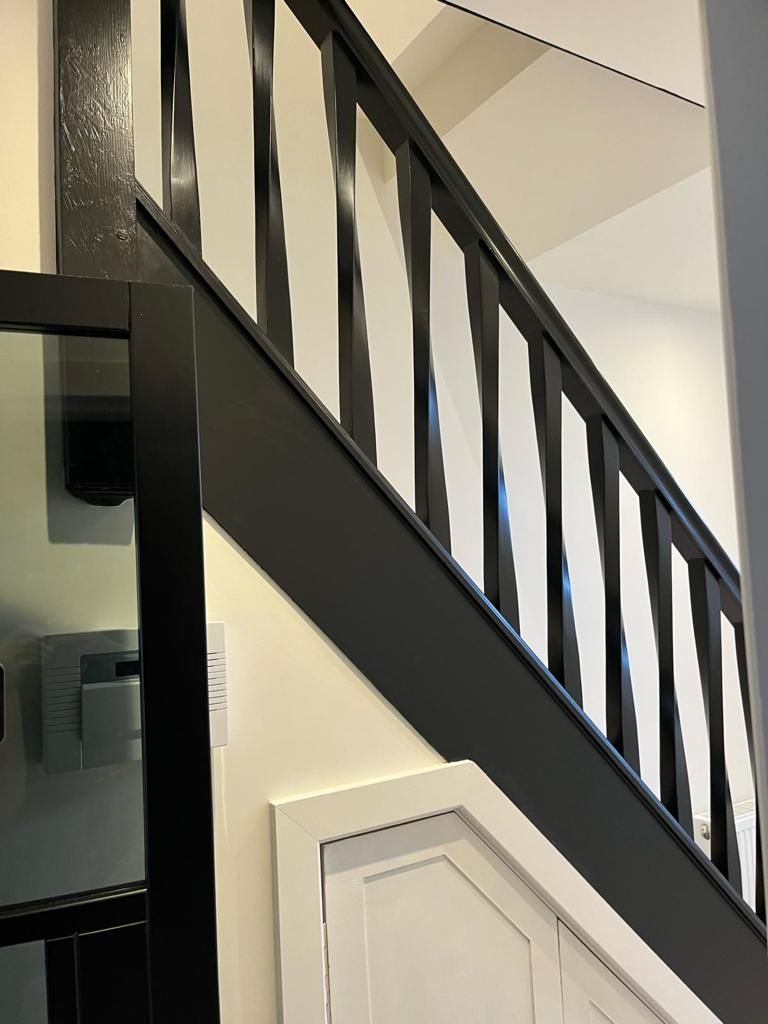
Moisture-resistant coatings may be appropriate in certain humid areas, while high-traffic corridors can benefit from stain-resistant or scrubbable finishes. Woodwork may require primer, undercoat and a suitable satinwood or other durable finishing system. The aim isn't to use as many products as possible. It's to use the right product in the right place.
What about vinyl matt?
Vinyl matt remains popular because it provides a clean, understated appearance and helps create an attractive finish across larger wall and ceiling areas. It can work extremely well in many commercial settings. However, not every matt paint offers the same durability.
In areas that require frequent wiping, we normally consider how washable the specific product is rather than selecting paint based solely on the word "matt" on the tin. A commercial property needs to look good after months of use, not just on the morning the decorating is completed.
Preparation matters as much as the paint
You can purchase an excellent commercial-grade coating and still end up with a poor finish if the preparation underneath isn't right.
This is something we encounter regularly when redecorating previously painted premises. Cracks may have been painted over rather than properly filled. Old paint might have poor adhesion. Grease, dirt or contamination can prevent new coatings from bonding correctly.
Before applying the finishing coats, we assess the existing surface, carry out filling and sanding where required and use suitable primer or undercoat systems. Preparation isn't the most visually exciting part of commercial decorating, but it is often what determines how long the finished work lasts.
Shops and offices present different challenges
For retail spaces, decoration forms part of the customer's perception of the business. Scuffed walls or tired woodwork can make otherwise well-maintained premises feel neglected. Colour matching can also become important when a business has established brand colours. The objective may be to refresh existing decoration without changing the visual identity of the premises.
Offices often present a different challenge. They need durable finishes, but disruption can be just as important as appearance. Meeting rooms, receptions, communal areas and corridors may need to be decorated around normal business activity, which means drying times and the organisation of the work need to be considered carefully.
The most expensive paint isn't automatically the best choice
We occasionally speak to clients who assume choosing the most expensive product available guarantees the best result.
It doesn't. A good commercial painter in Sheffield should consider the substrate, previous coatings, traffic levels, cleaning requirements and environment before recommending a product.
Sometimes a highly durable washable finish is worth the additional cost. In another area, a conventional quality emulsion may be perfectly adequate.
Professional decorating is about making those distinctions rather than applying the same specification everywhere.
Commercial painting in Sheffield built around the premises
A restaurant, office, shop or hospitality venue needs decorating products selected for the way the building actually operates.
At our painting and decorating company in Sheffield, we approach commercial work by looking beyond colour alone. We consider surface preparation, expected wear, cleaning requirements, existing coatings and the finish the business wants to achieve.
If you're planning to redecorate commercial premises, we can assess the different areas and recommend a painting system suited to both the appearance of your business and the demands of everyday use. Good commercial decorating should look professional when the job is completed — and continue looking professional long afterwards.
You might also like