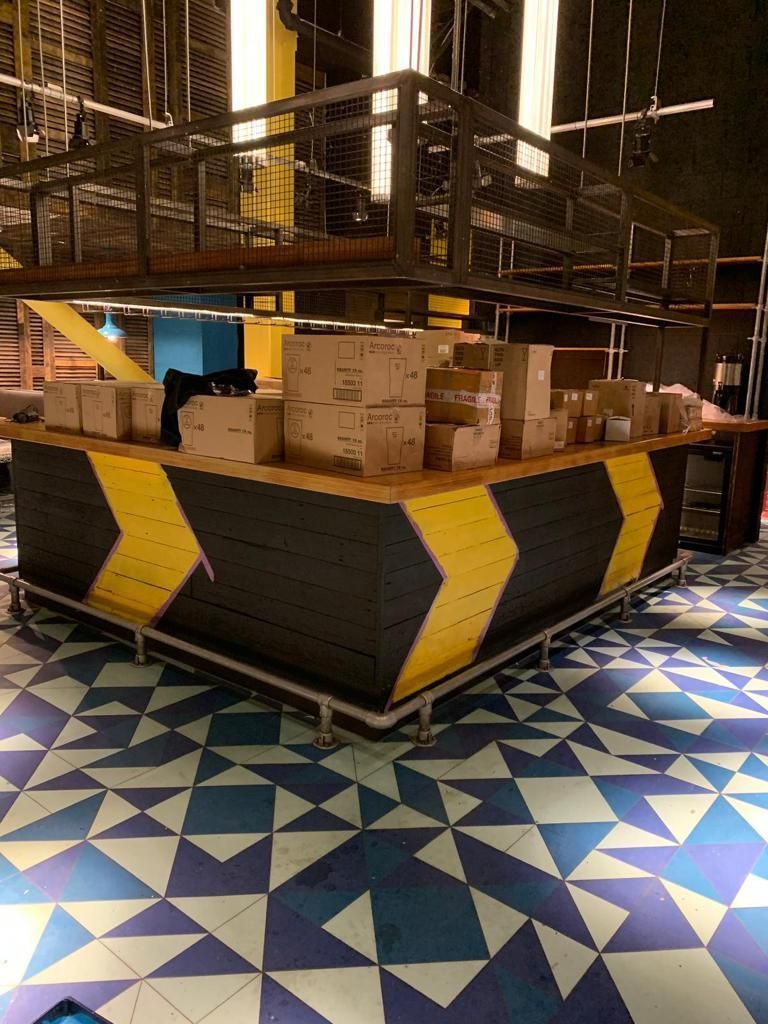
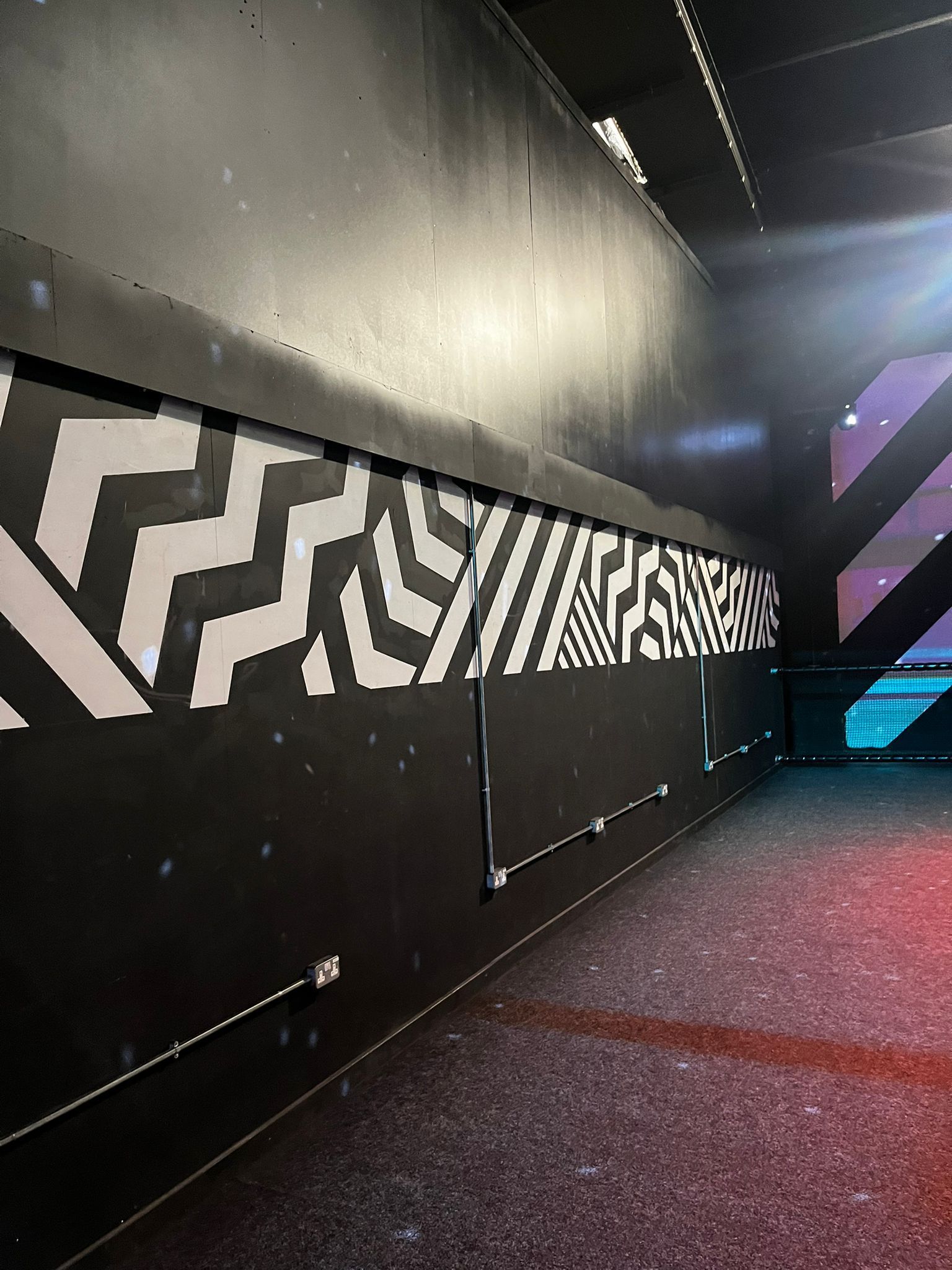
Professional Wallpapering in Sheffield: Transform Your Walls with Expert Craftsmanship

February 27, 2026

Wallpaper is making a strong comeback in modern interiors. From bold feature walls to subtle textured finishes, professional wallpapering in Sheffield is one of the most effective ways to transform a room without major renovation work. Whether you live in a period property in Crookes or a new-build in Hillsborough, expertly installed wallpaper can elevate your home instantly.

Why Choose Professional Wallpaper Installation?

While DIY wallpapering may seem straightforward, achieving a flawless finish requires experience, precision, and the right preparation. Professional painters and decorators in Sheffield ensure:

  • Proper wall preparation and surface smoothing
  • Accurate measuring and pattern matching
  • Clean cutting around sockets, switches and edges
  • Bubble-free application with seamless joins
  • Long-lasting adhesion using correct pastes and techniques

Poor installation can result in peeling edges, visible seams, or misaligned patterns — issues that can be costly to fix later.

Types of Wallpaper We Install

A professional decorating company in Sheffield typically works with a wide range of materials, including:

  • Feature wall wallpapers
  • Textured and embossed wallpaper
  • Vinyl wallpaper for kitchens and bathrooms
  • Luxury designer wallpaper
  • Commercial-grade wall coverings

Each material requires different handling techniques. For example, vinyl wallpaper demands strong adhesive and careful smoothing to prevent lifting in high-moisture areas.

The Wallpapering Process

A high-quality wallpapering project follows a structured process:

1. Surface Preparation

Walls are inspected, filled where necessary, sanded smooth, and primed if required. Preparation is essential for a professional finish.

2. Measuring and Planning

Precise measurements ensure minimal waste and perfect pattern alignment.

3. Installation

Wallpaper is applied carefully, ensuring even adhesion and clean trimming around architectural features.

4. Final Inspection

The finished result is checked for consistency, alignment, and overall quality.

Wallpapering for Homes and Businesses in Sheffield

Professional wallpapering is not limited to residential properties. Many local businesses in Sheffield use feature walls to enhance brand identity in offices, restaurants, and retail spaces. A well-designed interior creates a strong first impression and improves customer experience.

Why Choose a Local Sheffield Decorator?

Hiring a local painters and decorators company in Sheffield ensures knowledge of property styles common in the area, from Victorian terraces to modern apartments. Local professionals offer reliable communication, clear pricing, and a commitment to maintaining reputation within the community.

If you’re looking to refresh your interior with expert wallpapering in Sheffield, working with experienced decorators guarantees a precise finish and long-lasting results.

You might also like

September 1, 2026
Commercial decorating usually begins with a deadline. A restaurant may be reopening on Monday. A landlord has a new tenant moving into an office. A shop wants its refurbishment completed before a seasonal promotion. Sometimes the business remains open throughout the work, which introduces another challenge entirely. That's why we don't approach commercial painting in exactly the same way as decorating an empty residential property . For us, the first stage isn't opening a tin of paint. It's understanding what needs to happen around the painting. We start by looking at the premises properly During the initial site inspection, we assess much more than the number of walls requiring decoration. We look at the condition of existing surfaces, access, furniture, floors, doors, frames, skirting boards and areas requiring additional protection. This is often where the real scope of the job becomes clear. A wall can look reasonably sound from several metres away, for example, but closer inspection may reveal previous repairs, small cracks, flaking paint or areas where the existing coating has poor adhesion. Painting directly over these defects simply hides them temporarily. A professional painter and decorator in Sheffield needs to identify them before work begins. Then we plan around the business This is where commercial decorating differs significantly from many domestic projects. If we're working in an office, there may be employees who still need access to certain rooms. In a shop, customer areas may need to remain available. Restaurants can have particularly tight windows between services or scheduled closing periods. We therefore plan the sequence of work around what is realistically possible. Sometimes it makes sense to complete the premises section by section. On other projects, completing everything during a planned closure is more practical. We never assume that painting can be carried out without affecting the business. Instead, we discuss access and operational requirements beforehand and organise the work accordingly. Protecting the premises comes before decorating Before surface preparation begins, we protect everything that isn't being painted. Floors, furniture and other relevant surfaces are covered appropriately, while masking is used where clean lines and separation between finishes are required. Commercial premises often contain expensive flooring, fittings or equipment, so this stage needs to be systematic rather than rushed. Once protection is in place, the actual preparation can begin. Good preparation is where much of the work happens Clients sometimes expect painting to account for almost the entire project. In reality, preparation can take a substantial amount of time. Damaged areas may require filling. Cracks need assessing and repairing appropriately. Rough surfaces may require sanding, while previously coated areas sometimes need primer before new paint can be applied. Woodwork brings its own requirements. Doors, frames and skirting boards need to be prepared carefully before undercoats and finishing products are applied. If preparation is rushed, even an expensive satin finish won't disguise the problem for long. We've encountered commercial properties where several layers of paint had simply been applied over previous defects. By the time we're asked to redecorate, the only sensible approach is to deal properly with the underlying surface first. It takes longer initially but produces a considerably better result. Applying the correct coating to each area Once preparation is complete, painting begins according to the specification agreed for the premises. That might include emulsion finishes across walls and ceilings, more durable coatings in high-traffic areas and separate systems for woodwork or metalwork. Depending on the project, application can involve traditional rollers and brushes or spray painting where the surfaces, environment and project requirements make it appropriate. Colour matching may also form part of the work, particularly for businesses that need to maintain an established brand identity. The objective is consistency. A freshly decorated commercial property should feel like one complete space rather than a collection of separately painted rooms. Drying time cannot simply be ignored Deadlines matter, but coatings still need sufficient time to dry and cure. Trying to rush subsequent coats or immediately putting a freshly painted area back into heavy use can compromise the finish. This is one reason why scheduling matters so much in commercial painting in Sheffield . If we understand the client's operational requirements from the beginning, we can organise the work more intelligently rather than attempting to recover time at the expense of the finished result. We inspect the work before calling the project finished Once the main painting work has been completed, we don't simply remove the dust sheets and leave. The final stage is inspection. We look for areas requiring touch-ups, check edges and finishes and review the different decorated surfaces under normal lighting conditions. Small imperfections can be surprisingly visible once furniture is returned and the premises are operating normally, so this final check matters. Only after those details have been addressed is the decorating work considered complete. Commercial painting in Sheffield requires more than good brushwork The technical painting itself is only one part of a successful commercial decorating project. Planning, protection, surface preparation, product selection, communication and scheduling all contribute to the finished result. As painters and decorators in Sheffield, we understand that businesses need more than attractive walls. They need a decorating service organised around the practical realities of running commercial premises. Whether we're working on a restaurant, shop, office or another commercial property, our approach remains focused on careful preparation, appropriate materials and an organised working process. If you're considering commercial decorating in Sheffield, we can assess the premises, discuss the operational requirements and plan the work around both the finish you want and the way your business actually operates.

August 18, 2026
Choosing paint for a commercial property is quite different from picking a colour for a bedroom at home. In a restaurant, shop or busy office, walls and woodwork have to cope with constant contact, regular cleaning, moisture, knocks and considerably more daily wear. We often speak to business owners who have repainted relatively recently but are already seeing marks around doors, scuffed walls in corridors or areas where the finish has started to deteriorate. The paint itself is not always poor quality. Quite often, it simply wasn't the right product for that particular environment. As painters and decorators in Sheffield, one of the first things we consider on a commercial project is how each area is actually used. The finish that works perfectly in a quiet office isn't necessarily what we'd recommend beside the tables of a busy restaurant. Start with the way the premises are used Before discussing colours, we look at traffic. How many people pass through the entrance each day? Are customers likely to touch the walls? How frequently will surfaces need cleaning? Is there moisture? Are there areas where staff regularly move furniture or equipment? These questions help determine the most suitable paint system.A shop entrance, for example, usually needs something considerably more durable than a ceiling in a private office. Likewise, the walls alongside restaurant tables are likely to be wiped down far more frequently than those in a low-traffic storage room.This is where washable and scrubbable paints become particularly useful. Restaurants need finishes that cope with real life Restaurants are some of the most demanding commercial environments we decorate. There may be beautifully designed interiors, carefully selected lighting and expensive furniture, but the walls still have to survive customers, chairs being moved, cleaning routines and busy staff. We've seen restaurant walls where a standard matt emulsion looked excellent immediately after decorating but quickly developed marks that couldn't be removed without affecting the finish. In customer-facing areas, a durable washable emulsion or an appropriate acrylic eggshell can make maintenance much easier. The exact product depends on the surface and desired appearance, but durability should always be part of the decision. Different areas often require different paint One common mistake is specifying one type of paint throughout an entire commercial property. It might be convenient, but it isn't always practical. A dining area has different requirements from a toilet. A kitchen environment differs from reception, while doors and skirting boards need a completely different system from plastered walls. Moisture-resistant coatings may be appropriate in certain humid areas, while high-traffic corridors can benefit from stain-resistant or scrubbable finishes. Woodwork may require primer, undercoat and a suitable satinwood or other durable finishing system. The aim isn't to use as many products as possible. It's to use the right product in the right place. What about vinyl matt? Vinyl matt remains popular because it provides a clean, understated appearance and helps create an attractive finish across larger wall and ceiling areas. It can work extremely well in many commercial settings. However, not every matt paint offers the same durability. In areas that require frequent wiping, we normally consider how washable the specific product is rather than selecting paint based solely on the word "matt" on the tin. A commercial property needs to look good after months of use, not just on the morning the decorating is completed. Preparation matters as much as the paint You can purchase an excellent commercial-grade coating and still end up with a poor finish if the preparation underneath isn't right. This is something we encounter regularly when redecorating previously painted premises. Cracks may have been painted over rather than properly filled. Old paint might have poor adhesion. Grease, dirt or contamination can prevent new coatings from bonding correctly. Before applying the finishing coats, we assess the existing surface, carry out filling and sanding where required and use suitable primer or undercoat systems. Preparation isn't the most visually exciting part of commercial decorating, but it is often what determines how long the finished work lasts. Shops and offices present different challenges For retail spaces, decoration forms part of the customer's perception of the business. Scuffed walls or tired woodwork can make otherwise well-maintained premises feel neglected. Colour matching can also become important when a business has established brand colours. The objective may be to refresh existing decoration without changing the visual identity of the premises. Offices often present a different challenge. They need durable finishes, but disruption can be just as important as appearance. Meeting rooms, receptions, communal areas and corridors may need to be decorated around normal business activity, which means drying times and the organisation of the work need to be considered carefully. The most expensive paint isn't automatically the best choice We occasionally speak to clients who assume choosing the most expensive product available guarantees the best result. It doesn't. A good commercial painter in Sheffield should consider the substrate, previous coatings, traffic levels, cleaning requirements and environment before recommending a product. Sometimes a highly durable washable finish is worth the additional cost. In another area, a conventional quality emulsion may be perfectly adequate. Professional decorating is about making those distinctions rather than applying the same specification everywhere. Commercial painting in Sheffield built around the premises A restaurant, office, shop or hospitality venue needs decorating products selected for the way the building actually operates. At our painting and decorating company in Sheffield, we approach commercial work by looking beyond colour alone. We consider surface preparation, expected wear, cleaning requirements, existing coatings and the finish the business wants to achieve. If you're planning to redecorate commercial premises, we can assess the different areas and recommend a painting system suited to both the appearance of your business and the demands of everyday use. Good commercial decorating should look professional when the job is completed — and continue looking professional long afterwards.
July 11, 2026
People often assume that transforming a room requires a major renovation. New flooring. New furniture. Walls moved. A complete redesign. Yet some of the most dramatic changes we see happen during projects that don't involve altering the structure at all. Interior painting has a unique ability to change how a space feels without changing its footprint. A room can suddenly appear brighter, larger, warmer or more welcoming simply because the right preparation and finishes have been applied correctly. After years working as painters and decorators in Sheffield, we've seen this happen hundreds of times. When a Room Starts Feeling Tired The signs are usually subtle at first. Marks near light switches. Small cracks above door frames. Furniture scuffs. Walls that seem dull regardless of how clean they are. Many homeowners gradually stop noticing these things because they see them every day. Then one day they repaint a single room. Suddenly the contrast becomes obvious. The rest of the house now looks older than they remembered. We recently worked on a semi-detached property where the owners initially wanted only the living room decorated. By the time the project was complete, they decided to continue throughout the ground floor because the difference was far greater than expected. Light Changes Everything One of the biggest misconceptions about interior painting is that colour alone creates the result. Colour matters. But light often plays an even bigger role. A room facing north receives very different natural light from one facing south. The same shade can look warm in one space and noticeably cooler in another. This is something we discuss regularly with homeowners. We've seen beautifully chosen colours look completely different once applied to an entire room. That's why testing, colour matching and understanding the space itself are so important. Dark Rooms Don't Always Need White Paint A common request is: "We want the room to feel brighter." Many people automatically assume white walls are the answer. Sometimes they are. Sometimes they're not. Soft neutrals, warm greys and carefully selected off-whites often create a brighter, more inviting atmosphere than pure brilliant white. The goal isn't simply brightness. It's balance. Preparation Is What Creates Professional Results The final coat gets all the attention. Preparation does all the hard work. One property we decorated recently had walls covered with small dents, old screw holes and minor settlement cracks. Nothing serious. But enough to spoil the finished appearance if ignored. Several days were spent carrying out crack repairs, filling imperfections, sanding surfaces and applying primer coats where necessary. The painting itself was actually the quickest stage. When clients walk into the finished room, they usually notice smooth walls. What they're really seeing is preparation. Feature Walls Have Changed There was a period when feature walls became extremely bold. Bright reds. Strong purples. Deep oranges. Some still work beautifully. Many don't. Current interior painting trends tend to focus on more subtle contrast. Deep greens. Rich blues. Earthy tones. Colours that add character without overwhelming the room. We often help homeowners find that balance between making a statement and creating a space they'll still enjoy years later. Fresh Paint Is Often Part of a Larger Journey Many projects arrive alongside other changes. A property being prepared for sale. A home recently purchased. A room that has just undergone refurbishment. An extension that needs finishing. In these situations, painting becomes the final stage that ties everything together. New flooring suddenly feels complete. Joinery blends seamlessly into the design. Lighting works as intended. The room finally feels finished. Newly Renovated Spaces Deserve Proper Finishing We've occasionally been called to properties where significant renovation work had already taken place. New kitchen installed. Walls replastered. Electrical work completed. Then decorating was rushed. The result felt disappointing despite the investment made elsewhere. Good interior painting should enhance every other improvement within the room. Durability Matters More Than Most People Realise A beautifully painted room still needs to survive everyday life. Children. Pets. Furniture. Daily use. This is why durable paint systems and washable paints have become increasingly popular. Hallways, kitchens and family living areas particularly benefit from finishes that can handle regular cleaning without losing their appearance. Choosing the correct products at the beginning often saves homeowners considerable maintenance later. Every Property Tells Its Own Story One of the reasons we enjoy residential decorating is that every project is different. A Victorian terrace in Sheffield city centre presents different challenges from a modern family home on a new development. Different lighting. Different surfaces. Different expectations. The approach must adapt accordingly. That's what keeps decorating interesting, even after many years in the trade. When homeowners invest in professional interior painting in Sheffield, they're not simply changing colours. They're improving the way they experience their home every day. If you're considering interior painting for your property, we're here to help create clean, durable and carefully finished spaces that look great on day one and continue looking great long after the brushes have been packed away.

Book a Service Today